
Spinal Conditions
Lumbar Tumor
Definition:
A spinal tumor is a cancerous (malignant) or noncancerous (benign) growth that develops within or near your spinal cord or within the bones of your spine. Although back pain is the most common indication of a spinal tumor, most back pain is associated with stress, strain and aging — not with a tumor.
In most areas of your body, noncancerous tumors aren’t particularly worrisome. That’s not necessarily the case with your spinal cord, where a spinal tumor or a growth of any kind can impinge on your nerves, leading to pain, neurological problems and sometimes paralysis.
A spinal tumor, whether cancerous or not, can threaten life and cause permanent disability. Yet, advances in spinal tumor treatment offer more options than ever before.
Treatment:
Surgery. This is often the first step in treating tumors that can be removed, although there are risks of nerve damage in some cases.
Newer techniques and instruments allow neurosurgeons to reach tumors that were once inaccessible. The high-powered microscopes used in microsurgery make it easier to distinguish tumors from healthy tissue. Doctors also can test different nerves during surgery with electrodes, thus minimizing nerve damage.
Rehabilitation:
Please visit http://www.vitaeequilbre.co.za/ for more information on rehabilitative therapy.

Lumbar Stenosis
Definition:
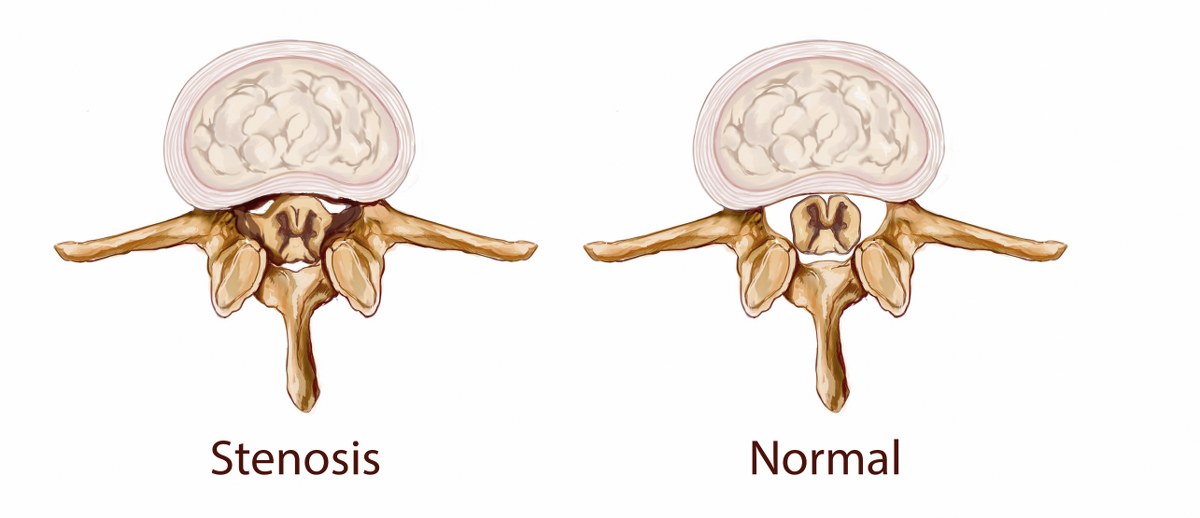
Lumbar stenosis is the narrowing of the spaces in the spine, resulting in compression of the nerve roots or spinal cord by bony spurs or soft tissues, such as disks, in the spinal canal. This occurs most often in the lumbar spine (in the lower back) but also occurs in the cervical spine (in the neck) and less often in the thoracic spine (in the upper back).
Treatment:
Decompression: During decompression, the surgery removes part of the lamina, and then undercuts the facet joints to give the existing nerve root more space.
Rehabilitation:
Please visit http://www.vitaeequilbre.co.za/ for more information on rehabilitative therapy.
Disk Herniation or sequestration
Definition :
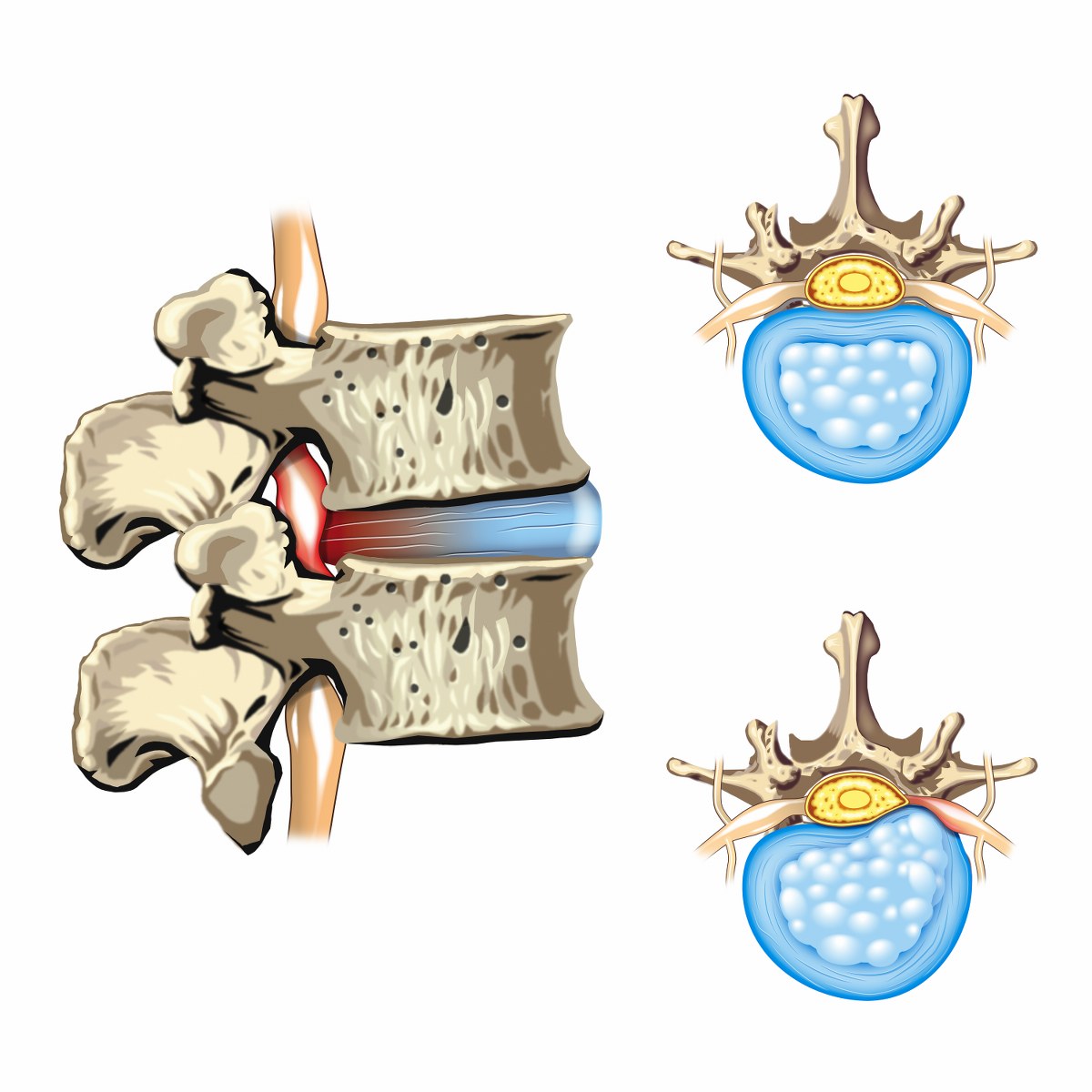
A condition that results in the abnormal protrusion (bulging), herniation or prolapse of a vertebral disk from its normal position in the vertebral column. The displaced disk may exert force on a nearby nerve root causing the typical neurologic symptoms of radiating pain (to an extremity), numbness, tingling and weakness. Recurrent episodes of severe back pain are common.
Procedures and solutions:
Treatment includes non-steroidal anti-inflammatory drugs, corticosteroids and rest. More advanced cases may require surgical intervention (for example laminectomy, micro-disk surgery).
Treatment:
Discectomy: A discectomy is a surgery done to remove a herniated disk from the spinal canal. When a disk herniation occurs, a fragment of the normal spinal disk is dislodged. This fragment may press against the spinal cord or the nerves that surround the spinal cord
Rehabilitation:
Please visit http://vitaeequilbre.co.za/ for information on rehabilitative therapy.
Definition :
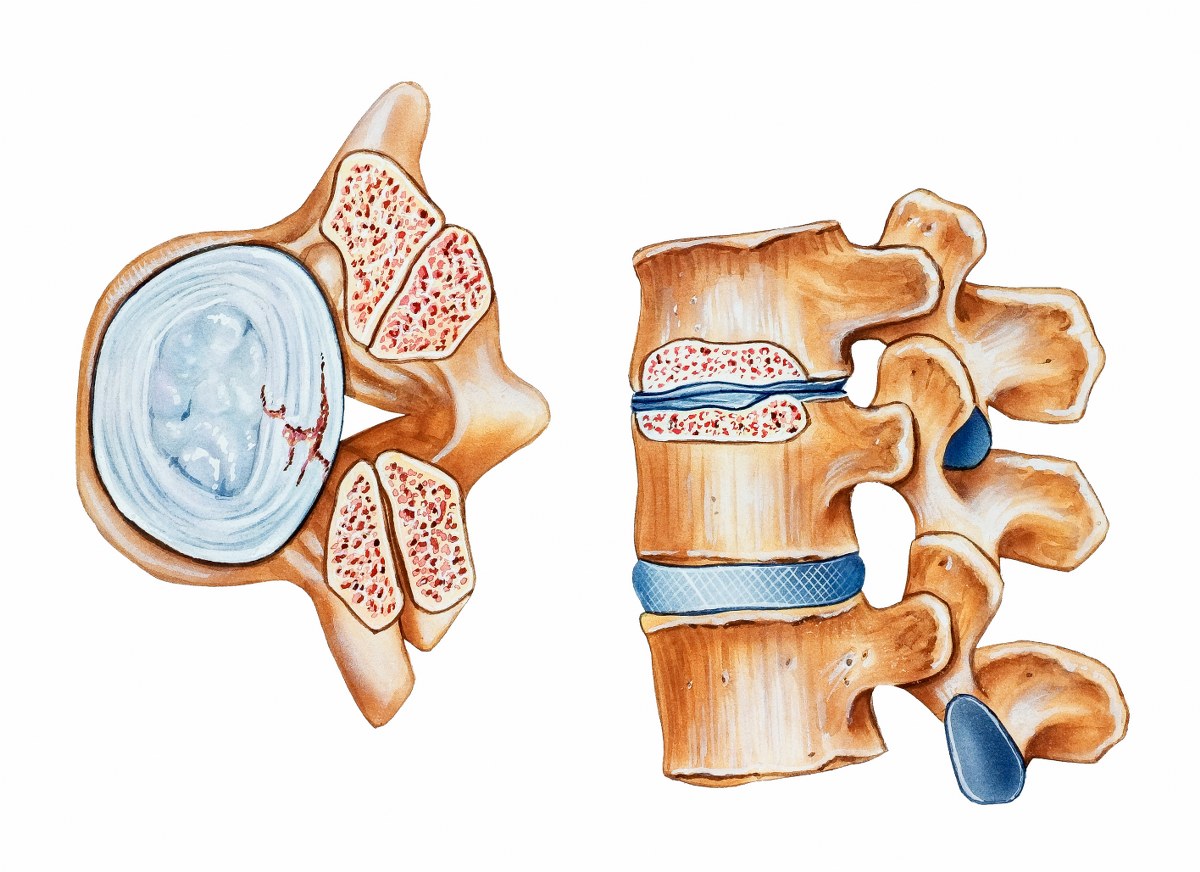
Thoracic disks are very stable and herniations in this region are quite rare. Herniation of the uppermost thoracic disks can mimic cervical disk herniations, while herniation of the other disks can mimic lumbar herniations.
Treatment:
- Discectomy: A discectomy is surgery done to remove a herniated disk from the spinal canal. When a disk herniation occurs, a fragment of the normal spinal disk is dislodged. This fragment may press against the spinal cord or the nerves that surround the spinal cord.
- Laminectomy: A surgical procedure in which the posterior arch of a vertebra is removed. Laminectomy is done to relieve pressure on the spinal cord or on the nerve roots that emerge from the spinal canal. The procedure may be used to treat a slipped or herniated disk or to treat spinal stenosis.
Rehabilitation:
Please visit http://vitaeequilbre.co.za/ for information on rehabilitative therapy.

Diagnosis:
Degenerative arthritis of the spine in the neck (cervical spine) can pinch nerves that can cause both neck pain and arm pain. Degenerative disk disease in the neck (cervical spondylosis) can cause local neck pain or pain in the arm. This can sometimes be mistaken for shoulder injury.
Treatment:
Anterior cervical discectomy is an operation performed on the upper spine to relieve pressure on one or more nerve roots, or on the spinal cord. The procedure is explained by the words anterior (front), cervical (neck), and discectomy (cutting out the disk)
Cage: Just removing the disk and not replacing it or maintaining the space can cause bone collapse and other problems. New materials to replace the disk are the center of today’s research on neck surgery. These new materials are called interbody implants or “cages.” The cage comes in various shapes and heights. It is made of an alloy that is called PEEK that the body does not reject. They are also very durable ( we have a few rugby players that still play competitive rugby with these in the neck). Most cages are designed so they can be packed with bone chips or a suitable bone graft substitute. It is important to understand that the cage forms a partial fusion and therefore they do have a lower incidence rate of the other levels failing.

Cervical Stenosis: As in the lumbar stenosis the spinal canal can be narrowed in the cervical region. These patient complain of heaviness of the leg, electrical shock through the leg at time, arm pain, difficulty walking , stiffness in the legs and deteriorating fine motor skill of the hands- writing for instance.
Treatment:
Can be from anterior ( front) or posterior ( back) that a decompression is done. Mostly it is from the back and multiple levels can be done.
The aim of the operation ( decompression) is to open up the spinal canal to create more space for the spinal cord[2] . This operation is usually called a decompression or laminectomy
